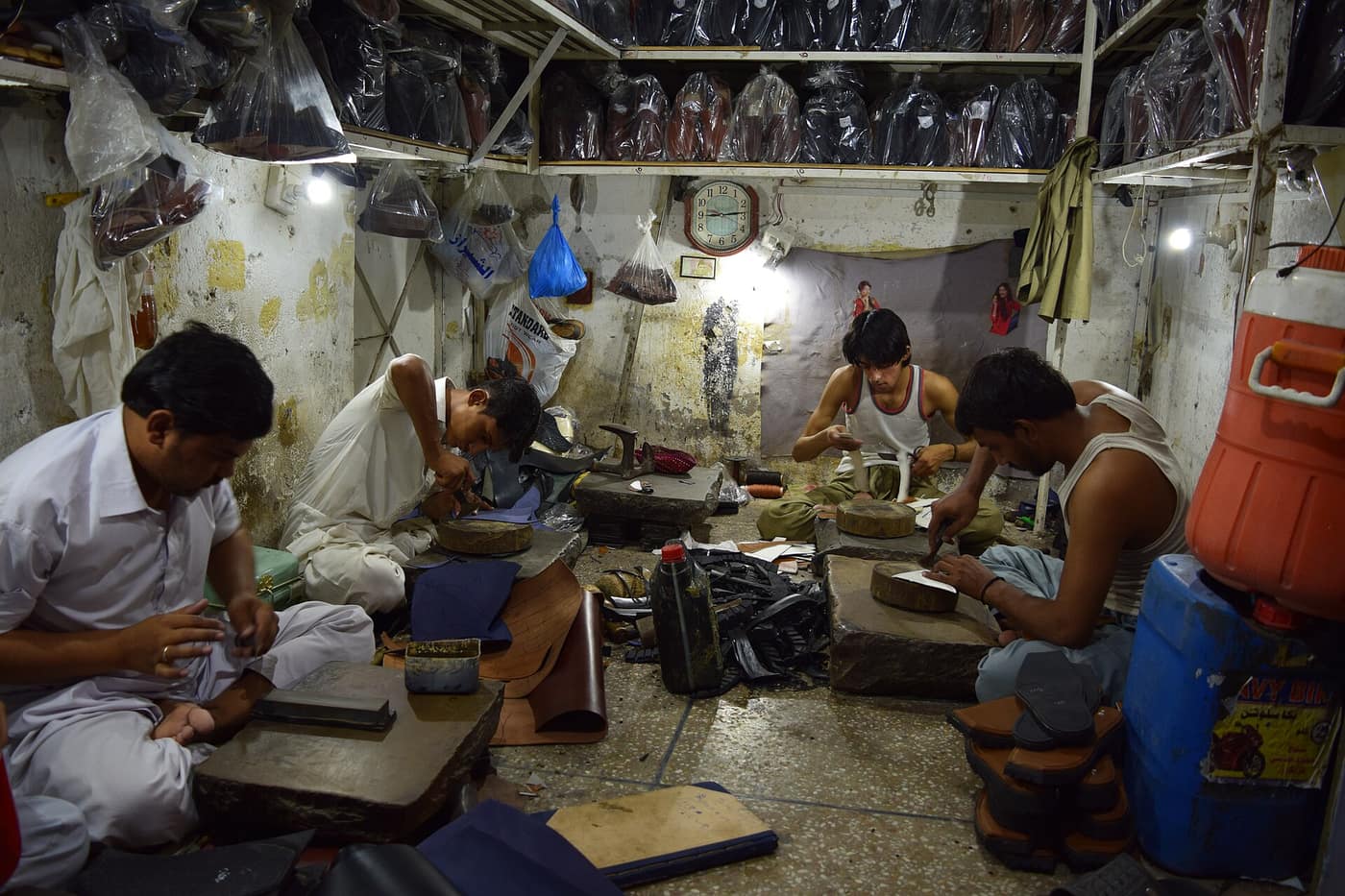
Chappal making — Peshawar & Charsadda
In workshops a few streets wide, Peshawari chappals are still bench-made: leather hand-cut, soles layered and stitched by hand, one pair at a time. The “Kaptaan” double-sole style remains the pride of the trade.
Our craft
Between Peshawar and the passes live a handful of trades that have clothed, shod and adorned this region for centuries. We commission directly within them — and credit the workshops and collections that keep the standard.
On the loom
Every Swati shawl and winter patu begins like this: warp, treadle and shuttle on a handloom, one row at a time. Your commission enters this same rhythm — measured, woven, finished, checked.
Video: handloom weaving (Wikimedia Commons, CC BY 3.0 — see credits).
The trades
In workshops a few streets wide, Peshawari chappals are still bench-made: leather hand-cut, soles layered and stitched by hand, one pair at a time. The “Kaptaan” double-sole style remains the pride of the trade.
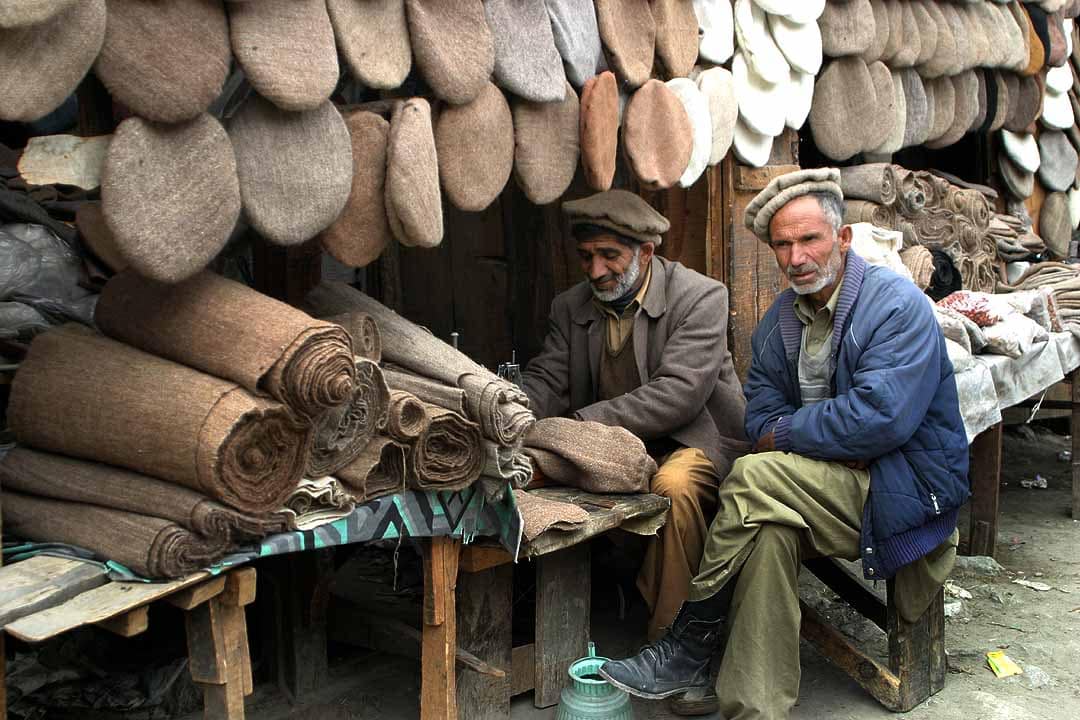
The pakol is knitted, felted and rolled by hand in the Chitral valley. The wool is washed, spun and worked into the deep rolled brim that shades the eyes of the mountains.
Swati shawls and winter patu come off pit-looms in the northern valleys — lamb wool spun, dyed and thrown by hand, then finished with fringe by the same family workshops.
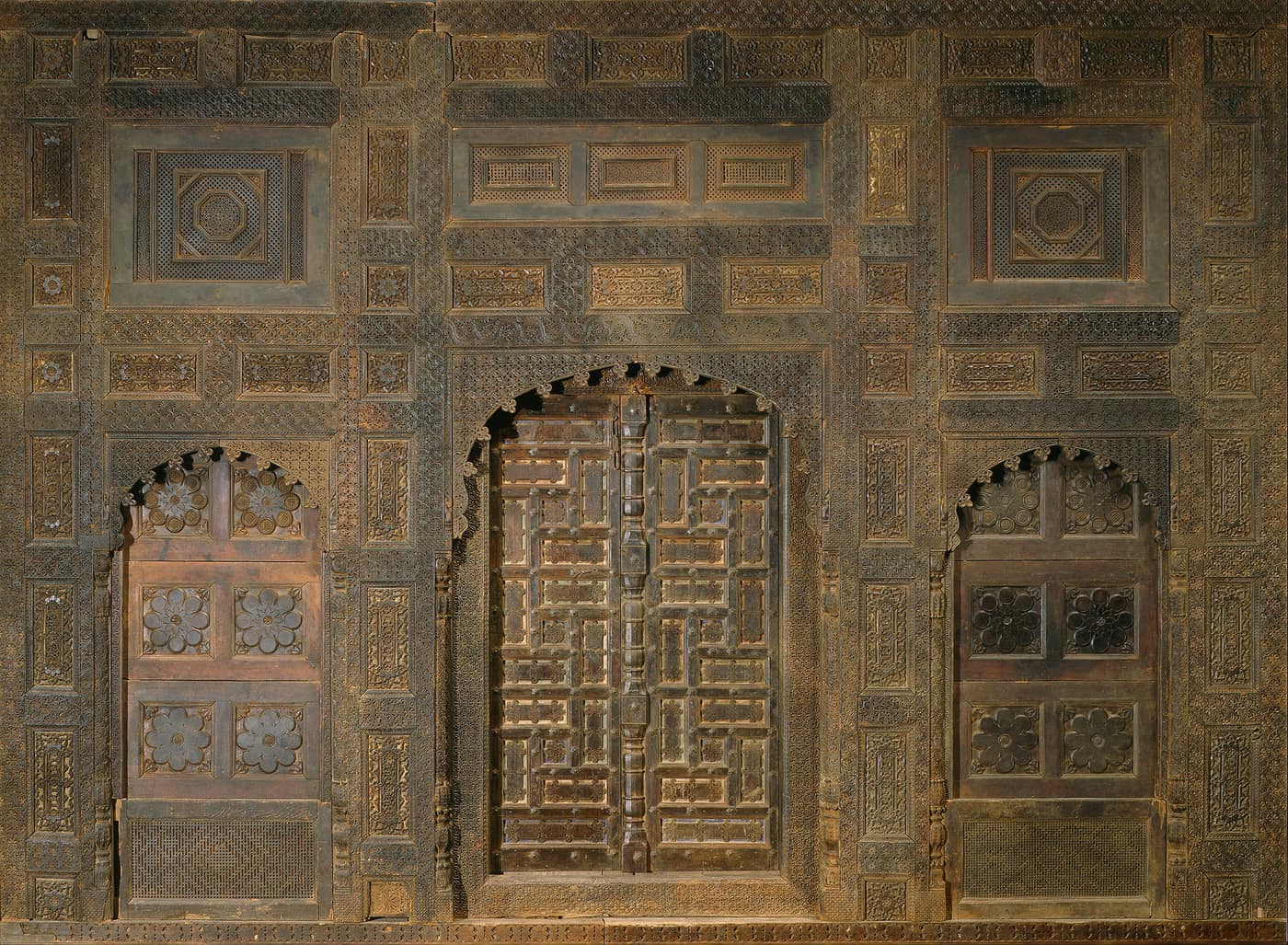
The wooden palaces of Swat carried some of the subcontinent’s finest residential carving — lattices, rosettes and medallions cut into walnut and cedar. The same chisels are at work today on commissions.
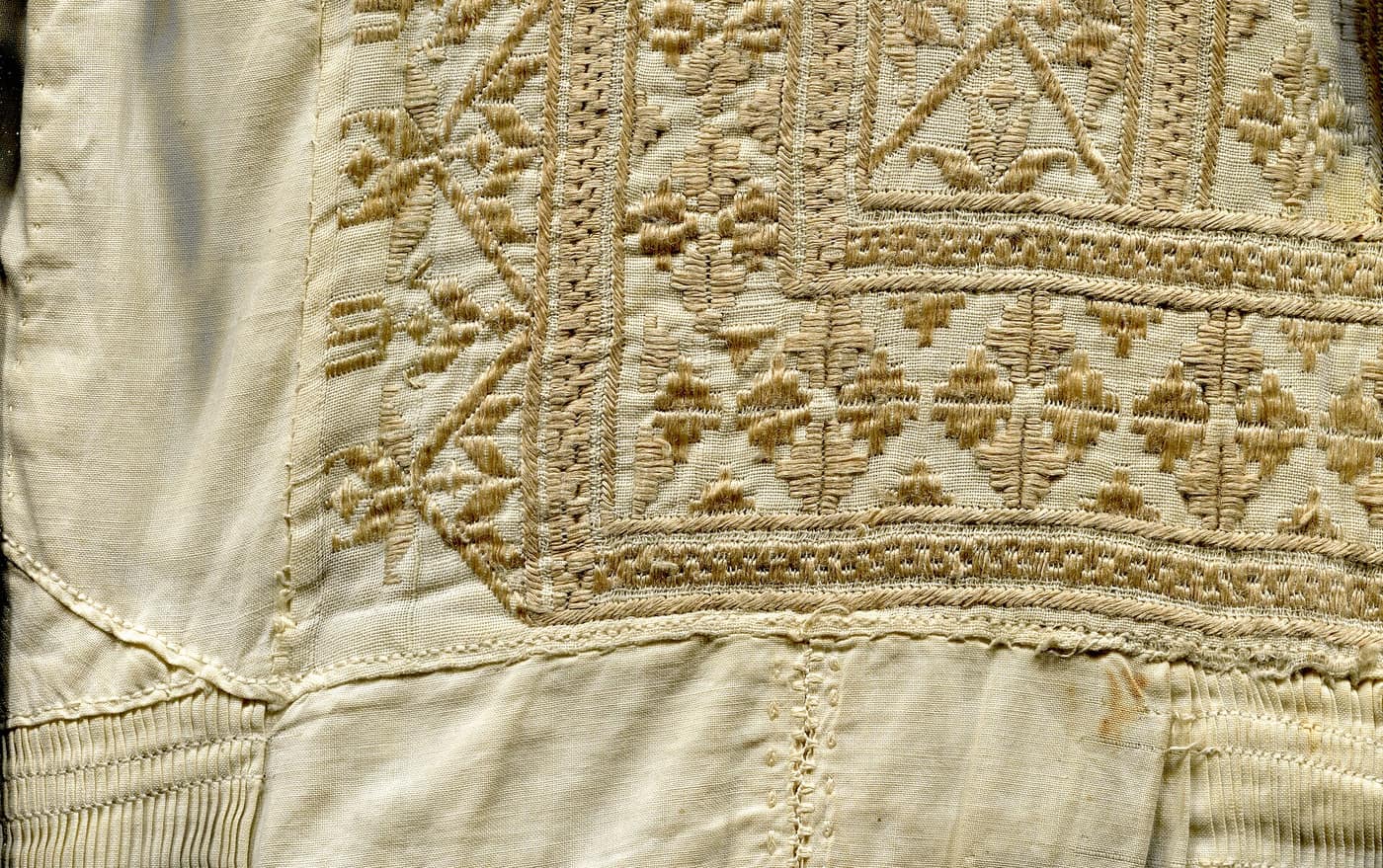
From the dense coin-and-mirror work of Kuchi celebration dress to the counted fineness of Kandahari khamak, Afghan embroidery is a language of motifs — each region, and often each family, with its own accent.
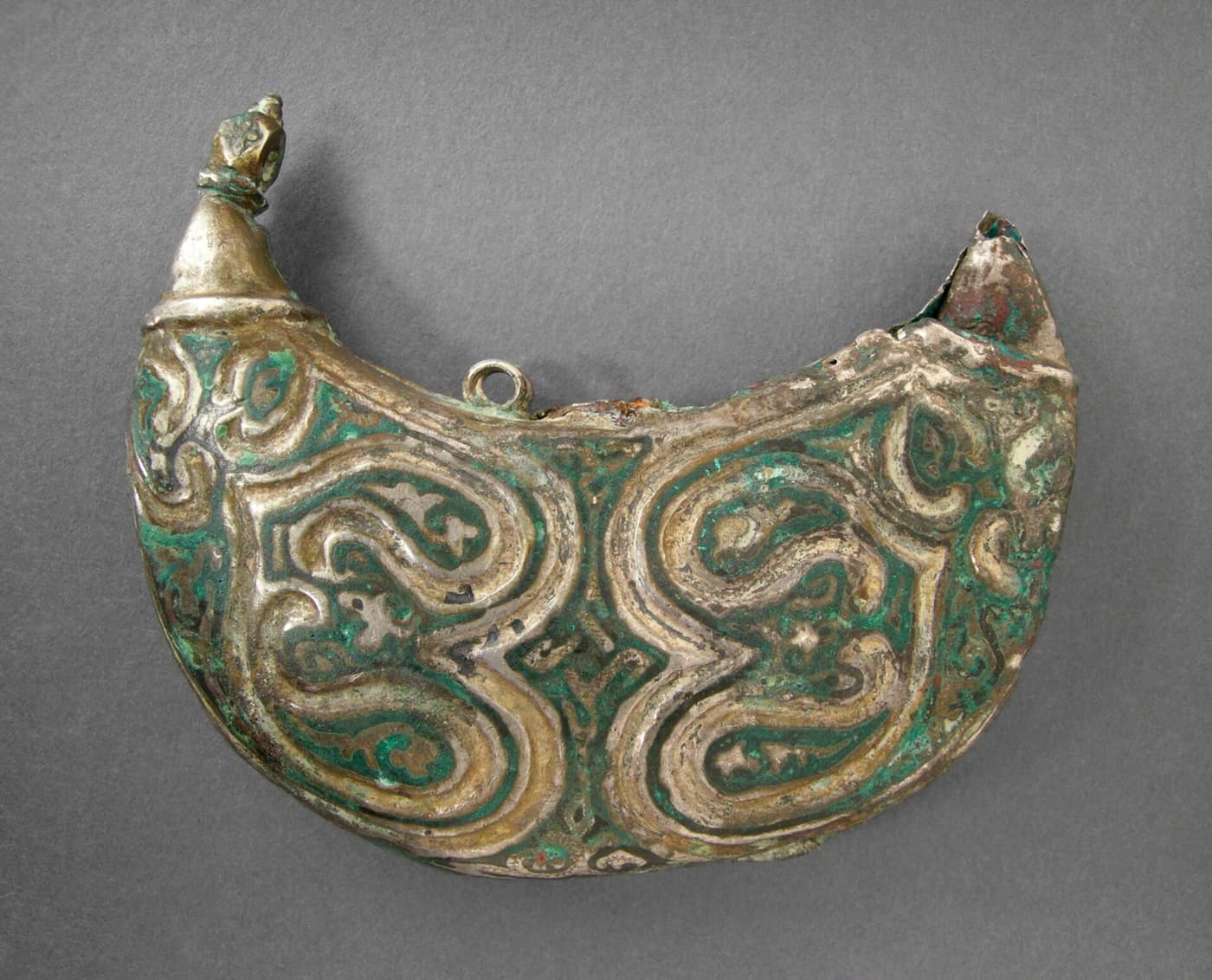
The mobile wealth of the Kuchi was worn, not banked: silver pendants, clasps and beads set with lapis, carnelian and turquoise. Smiths in the tradition still make new pieces to order.
A note on honesty: where our product pages show historic museum pieces, they are labelled as such — those pieces are the tradition, and your commission is a new work made within it. Full image licences are listed in image credits.
The people
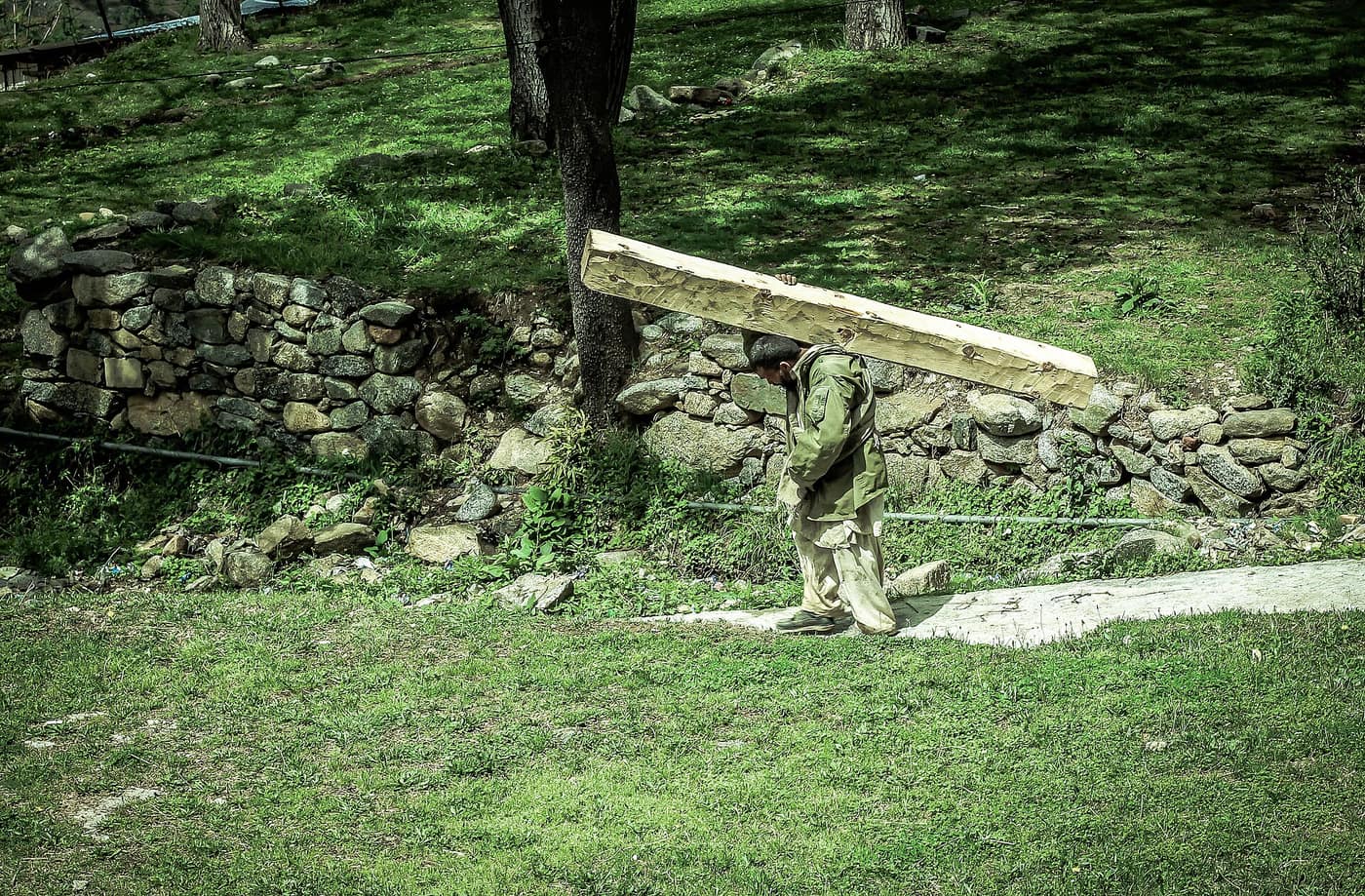
These trades are not factory lines — they are family workshops and travelling traditions, passed hand to hand. Two glimpses of the people behind them.
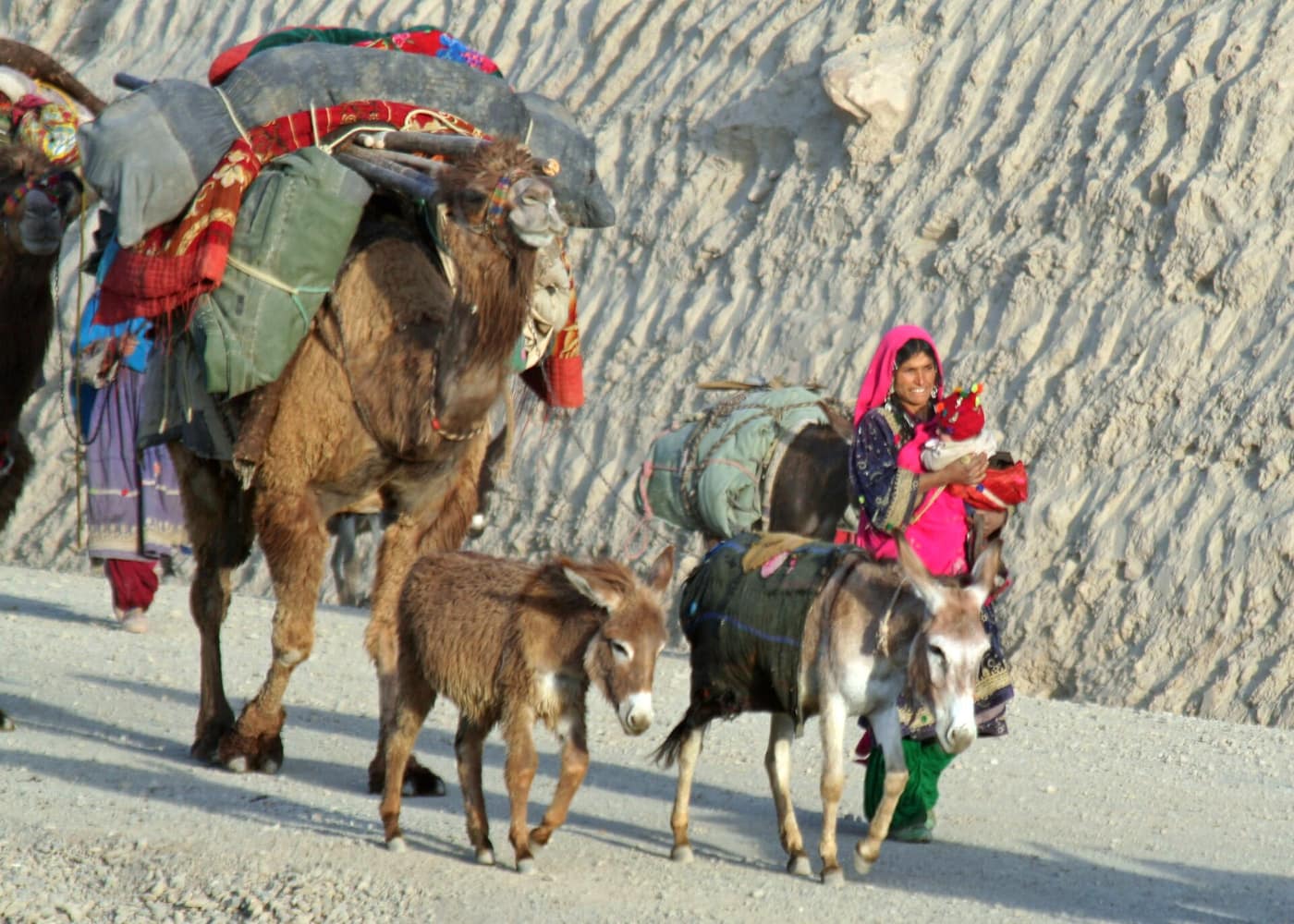
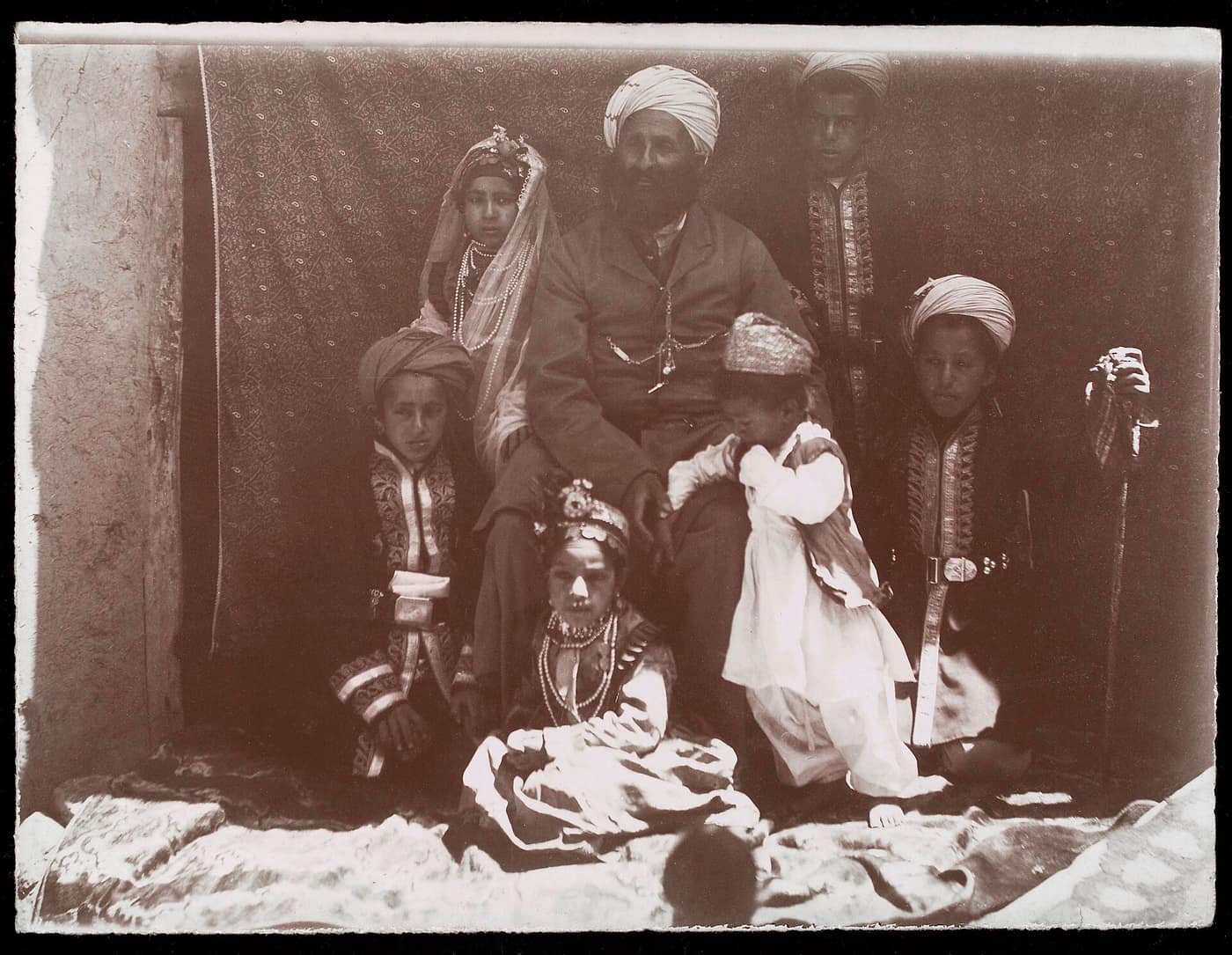
Choose a piece, send your measurements, and the craftsmen of Peshawar, Chitral, Swat and the Kandahar tradition begin.