2026-09-21 · 4 min read
Made to measure vs ready-made: what you are really paying for
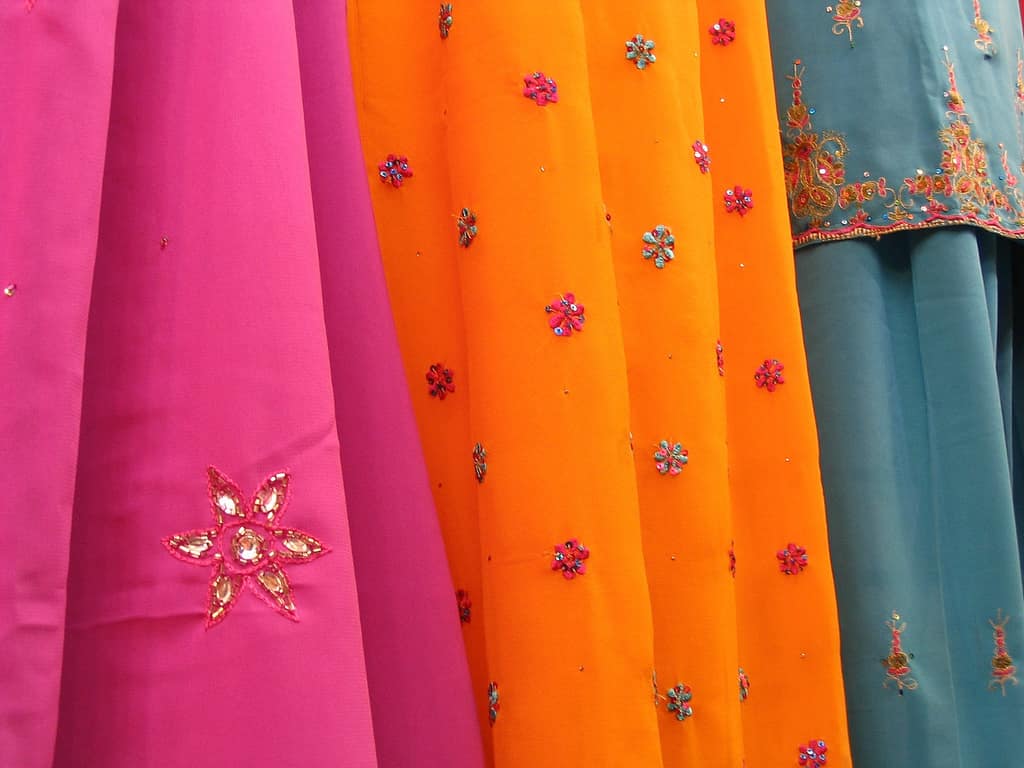
Ready-made exists for good reasons: it is immediate, inexpensive and fine for everyday. The honest case for made-to-measure is not that ready-made is bad — it is that certain occasions and certain bodies deserve better than a size chart.
Fit is the obvious difference. Off-the-rack shalwar kameez is cut for an imagined average: sleeves that stop short, kameez that billows, shalwar that pools. Made to measure, the same fabric follows sixteen of your measurements — and because the maker cuts for you alone, the drape changes completely. For photographs that last a lifetime, that difference is the product.
Cost is where honesty matters. Bespoke costs more per piece — the maker’s hours, the hand embroidery, the fabric you chose rather than the fabric that was discounted. What you save is the alterations cycle, the replacements after two washes, and the outfit that sits unworn because it never really fit. Across a wardrobe, bespoke often closes the gap; for a single wedding, it is not even close.
There is a third difference people only notice later: bespoke is repairable. A hand-stitched chappal can be restitched; a handloom shawl can be re-fringed; a kameez can be adjusted as bodies change. Fast fashion is designed to be replaced. Tradition was designed to be kept — and made to measure is how you buy into that design.